

Can child support affect citizenship applications?
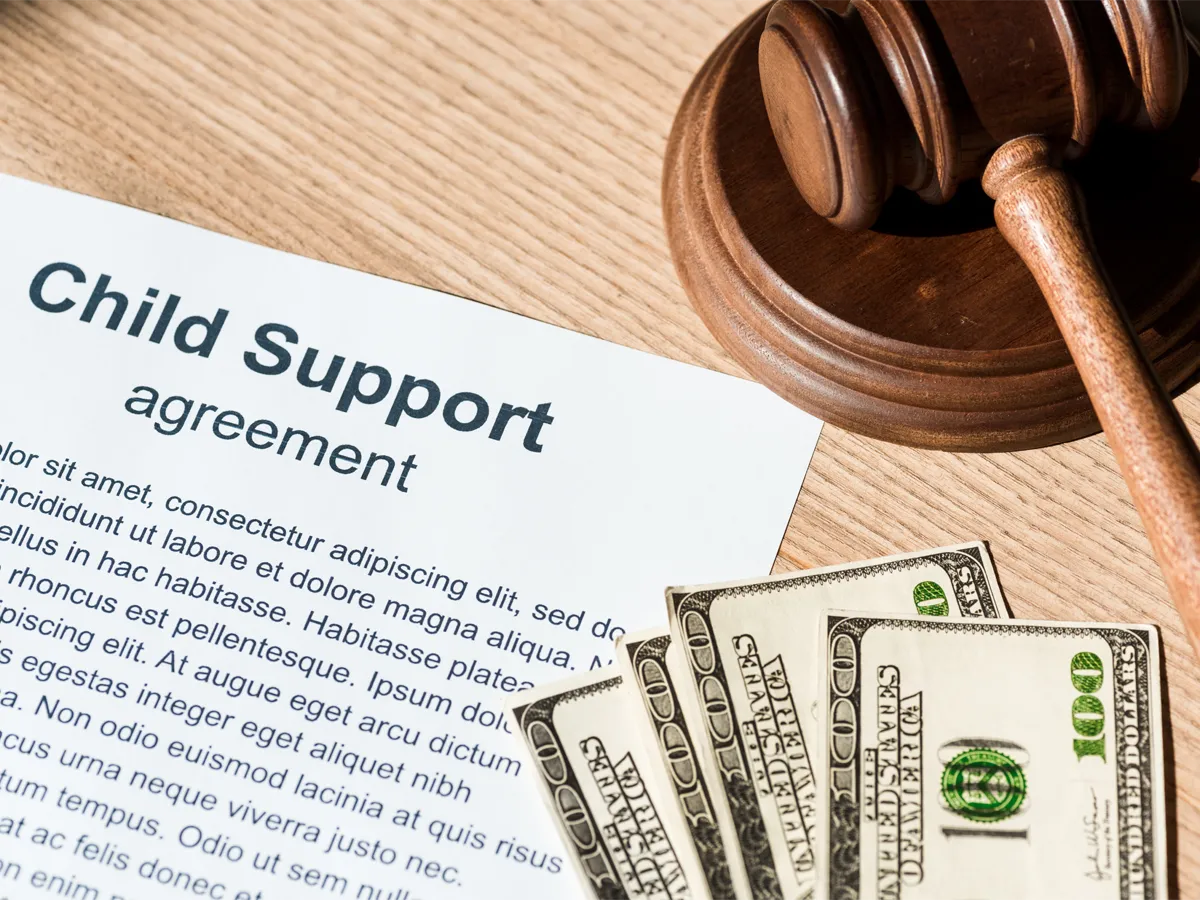
Yes, it can. Failing to pay child support or falling behind on payments can hurt your application for naturalization. Even paying less than the required amount can delay your case or lead to denial.
In the United States, parents have a moral and legal obligation to support their minor children. This obligation applies not only to children living in the US but also to those living in another country. Failing to meet this clear responsibility can signal a lack of good moral character, which USCIS is paying closer attention to lately.
Read on for more details.
What happens if you fall behind on child support before naturalization?
You’ve probably heard of “good moral character.” It’s one of the basic requirements for becoming a US citizen. It means demonstrating that you are a responsible person who behaves well, shares American values, and is integrated into the community.
USCIS reviews your behavior during the entire period that you have been a permanent resident. For most applicants, this means the last five years before filing Form N-400. For applicants who are applying through marriage to a US citizen, this means the previous three years.
But what does child support have to do with this?
Well… A lot.
Under federal law, when parents are not together, the non-custodial parent must pay child support to the custodial parent. The amount is usually based on the non-custodial parent’s income.
Courts can penalize parents who don’t comply by withholding tax refunds or garnishing wages. In some cases, it can even lead to jail time. As you can see, child support is taken very seriously in the United States. Naturally, USCIS will review it when evaluating your application.
If you’ve failed to pay child support, USCIS may decide that you’re irresponsible or untrustworthy. They can deny or delay your application for failing to meet the good moral character requirement.
Even paying less than you can afford can cause problems. That’s why it’s important to keep everything clear and up to date, including payment amounts and dates. There are plenty of child support attorneys you can talk to and tools, like child support calculators, that can help you.
And no, I’m not exaggerating. This is a very serious matter—so much so that it’s one of the questions on the N-400 form.
Question 17.g. Part 9 Adittional Information About You
Failed to support your dependents (pay child support) or to pay alimony (court-orde support after divorce or separation)
So, yes, it’s something you need to consider before submitting your N-400. Remember, it’s not enough to say your payments are in order; you must be able to prove it.
What evidence can you provide as proof of child support payments?
If you are a non-custodial parent applying for naturalization, you must provide the USCIS with proof of your child support payments. Although you don’t have to submit this documentation with your N-400 application, you should prepare a complete record for your interview.
Make sure you gather all the necessary documents before your appointment. This will help you avoid USCIS issuing a request for more information, which could delay your process.
According to USCIS guidelines this are the
Documents about child support that you should bring to your interview
- Payment receipts showing regular and consistent child support payments.
- Bank statements showing the other parent’s name and payment transactions.
- Court orders stating the amount you’re required to pay.
- If you make payments through an agency, include payment history from the child support agency.
- A notarized statement from the other parent confirming that you are making your child support payments.
It’s also a good idea to bring these documents:
- Birth certificates for your children or adoption decrees, if applicable.
- Court documents or child support agency records showing your payment history.
- Canceled checks or money order receipts.
- A notarized letter from the parent or guardian caring for your children confirming that they received your payments.
- If a court or agency ordered you to pay spousal support, bring a copy of the order and proof of compliance.
Put all these documents together in a solid folder. The more paperwork you have, the better prepared you’ll be if something unexpected comes up. The officer might not ask for every document, but it’s better to be overprepared to avoid any delays.
Exceptional cases when missing payments might be justified
Of course, not every situation is the same. USCIS understands that falling behind on child support payments sometimes happens unexpected reasons beyond your control. In these cases, USCIS may grant an exception, but you must demonstrate why you could not pay.
Some examples of circumstances that could justify missed payments include the following:
- You lost your job unexpectedly and didn’t have enough income to cover your payments.
- You had a serious illness or accident that kept you from working or led to high medical bills.
- You faced a serious family emergency that temporarily affected your ability to pay.
- The custodial parent refused to accept payments, or there was a conflict that made it difficult to send money.
You will need to be prepared to explain these reasons to the officer. Most importantly, you will need to provide evidence that supports your situation. This can include termination letters, medical reports, or other documentation showing that your missed payments occurred for valid reasons.
If the USCIS officer agrees that there were extenuating circumstances, they may not deny your citizenship application due to missed child support payments.
Summing up…
Now you know: Your child support payments matter when it comes to your citizenship application. They are an essential part of demonstrating your good moral character and proving your eligibility to become a US citizen.
However, even after completing the process and receiving your naturalization certificate, unpaid child support can still cause problems. For instance, the Department of State may deny you a US passport if you owe $2,500 or more in child support.
If you are behind on payments or paying less than required, it is highly recommended that you seek legal advice. A child support lawyer or immigration attorney can help you prepare your case, organize your evidence, and prepare for your interview.