

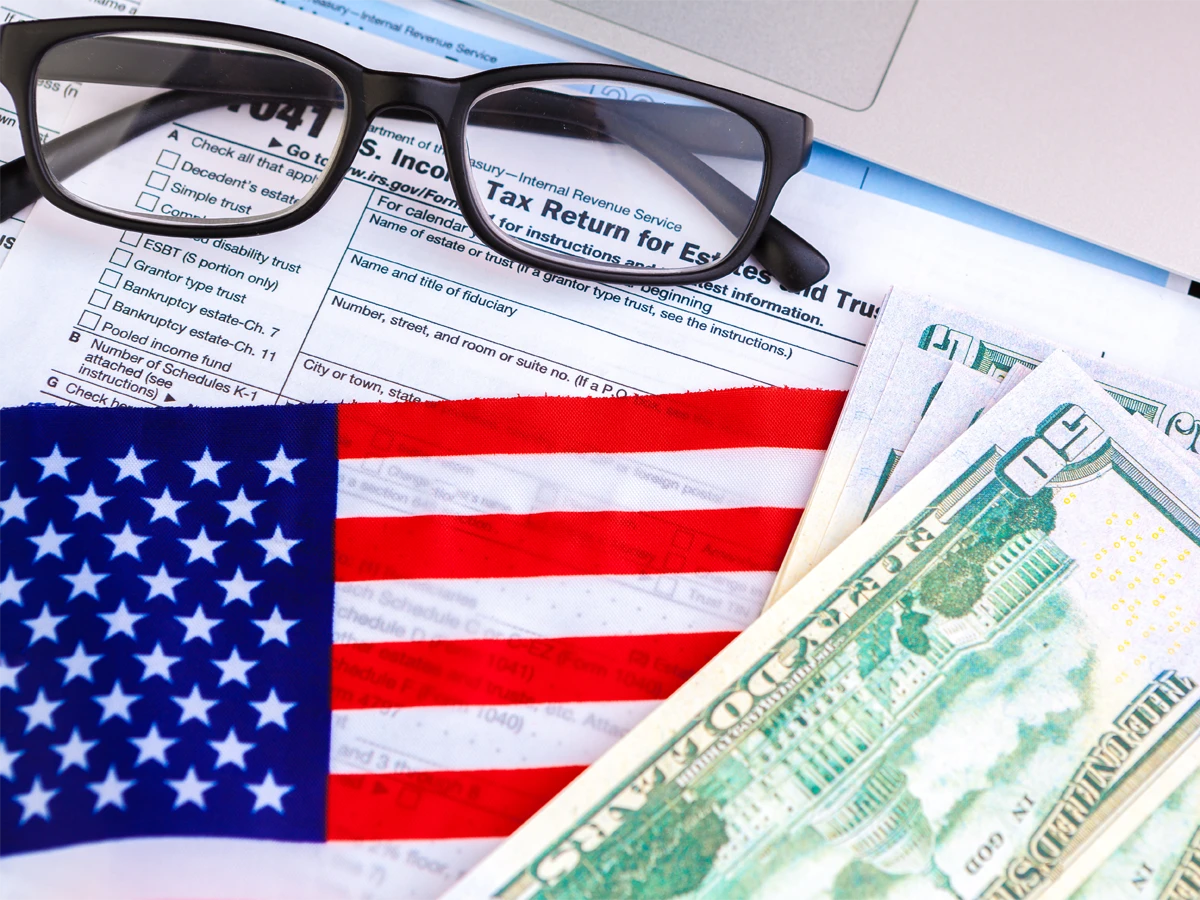
When working toward your US citizenship, taxes are more important than you might think. They demonstrate that you’re a responsible person committed to this country. Trust me, USCIS scrutinizes this very closely during the naturalization process.
Have you heard of “good moral character“? It’s not just about criminal records or convictions. Your tax returns play a significant role in demonstrating your good character and can impact whether USCIS approves or denies your N-400 application.
But…
How USCIS checks your N-400 tax returns?
On the day of your interview, you’ll need to bring copies of your tax returns or IRS transcripts from the past five years. If you’re applying for citizenship through marriage to a US citizen, you only need the last three years.
Learn more: What to Bring to US Citizenship Interview
A USCIS officer will review these documents to confirm that you have met your tax obligations during this time. Failure to file taxes or unpaid tax debt can affect your naturalization process.
When reviewing your paperwork, the officer will compare the tax information on your N-400 with the information on your tax returns. They will verify that your marital status is correct, that you have reported your dependents accurately, and that your income is also correct.
Any discrepancies between your tax returns and your N-400 can negatively impact your citizenship application. It could appear as if you tried to mislead the government, even if the IRS accepted your returns.
So, take your time to ensure that all your information is accurate. Ans if you find errors on past tax returns, correct them before sending in your N-400.
Common tax mistakes that affect your N-400 application
Below are some of the most common tax-related mistakes that can cause USCIS to delay or deny your application.
Filing your taxes late
Missing tax deadlines may be seen as a sign of financial irresponsibility by USCIS. This doesn’t look good and can affect your eligibility for citizenship. That’s why it’s important to file and pay your taxes on time.
Remember, the tax deadline is April 15 each year.
Missing or incomplete documents.
A complete tax return isn’t just a single form. You need to include all the necessary documents, such as your W-2 and 1099 forms, which show your income and the taxes withheld during the year. If you’re missing any of these documents, USCIS may ask for more information, which can delay your case.
In this case, many applicants choose to submit an IRS tax transcript. This document summarizes all your tax information and is accepted by USCIS as proof of your tax filings.
Differences between your tax returns and your N-400 taxes.
As mentioned earlier, it’s essential to ensure that the information on your tax returns aligns with what you provided on your N-400.
Otherwise, you could face serious issues. For instance, if you listed “single” on your tax return but marked “married” on your N-400, USCIS may view this as an inconsistency and request an explanation. Such discrepancies may necessitate additional verification steps and result in a longer wait time for your case.
What should you do if you owe taxes?
If you’ve already filed your N-400 and you owe taxes, don’t panic just yet. Depending on your situation, it might not be as bad as you think.
For example, maybe you didn’t file a tax return because your income was below the required minimum for that year. If so, it usually isn’t a big deal as long as you can prove it.
Another possibility is that you pay off your tax debts before submitting your N-400 or before your citizenship interview. For instance, let’s say you owe a small amount, such as $1,000 or $1,500. Try to pay it off before starting the process. Then, you can truthfully answer “no” to the yes-or-no tax questions on the N-400 form. Even if you pay it off before your interview, it can help you avoid problems with USCIS.
If your tax debt is too large to pay off all at once, some solutions can help you. The best option is to set up a payment plan with the IRS or your state tax office.
You’ll need a document proving you have an active payment plan, which you should bring with you on the day of your citizenship interview. You must make your payments on time since USCIS will verify that you’re adhering to your plan. This demonstrates your responsibility in managing your debt.
When can unpaid taxes be a real problem and affect your N-400 application?
This occurs when you did not file your tax returns because you considered yourself a “non-resident,” even though you were a lawful permanent resident of the United States.
USCIS will see this as intentionally ignoring your responsibilities, which can seriously hurt your citizenship application. In some cases, it can even lead to your application being denied.
If this applies to you, it’s best to talk to an immigration attorney who has experience with these types of cases. A lawyer can advise you on how to prepare your case, which documents to bring, and how to present your situation during your interview.
In summary…
As you can see, USCIS takes taxes seriously when reviewing Form N-400. The best thing you can do is keep your tax filings up to date.
However, having tax debt doesn’t mean you’ve lost your chance to become a US citizen. The important thing is to understand your situation and act quickly and responsibly. Ideally, you should pay off your debts before applying, but if that’s not possible, set up an active payment plan with the IRS.
It’s also a good idea to seek legal advice. A lawyer can help you gather the documents needed to prove your case and prepare you for potential interview questions.
No one said the path to citizenship would be easy, but trust me, it’s worth it! In a few months, you could be a US citizen enjoying all the benefits that come with your new legal status. Read our blog post about the importance of US citizenship to see everything you can gain.
Remember, if you have any questions, leave them in the comments. We’re here to help you every step of the way!