


As part of the naturalization process, applicants for US citizenship must pass a naturalization test.
The US citizenship test is divided into two parts: an English test and a civics test. The English test measures your ability to read, write, and speak English. On the other hand, the civics test assesses your knowledge of US history and government.
This is one of the most important steps in the process and one of the most intimidating for many applicants. It’s not that the citizenship test is the hardest exam in the world, but it does require a lot of preparation and practice.
But if you’ve made it this far, there’s no turning back. Keep going, and soon you’ll be able to call yourself a US citizen. All you have to do is study and prepare.
Still not sure? Well, let us explain a little more about the US naturalization test. We also share some of the best tips on how to prepare for it so you can feel more confident.
What to expect during the US citizenship test
We get it, the US Citizenship Test can be intimidating. You’re not alone in feeling overwhelmed or worried about failing. Almost everyone who goes through the naturalization process feels the same way…and many of them pass.
According to United States Citizenship and Immigration Services (USCIS) statistics, 95.7% of all applicants pass the naturalization test.
So why not you?
With enough practice and preparation, you can pass the US citizenship test. And if you don’t pass on your first try, you get a second chance.
The test has two parts: an English test and a civics test. Let’s go over each part so you know what to expect.
US citizenship test English: Reading, writing, and speaking
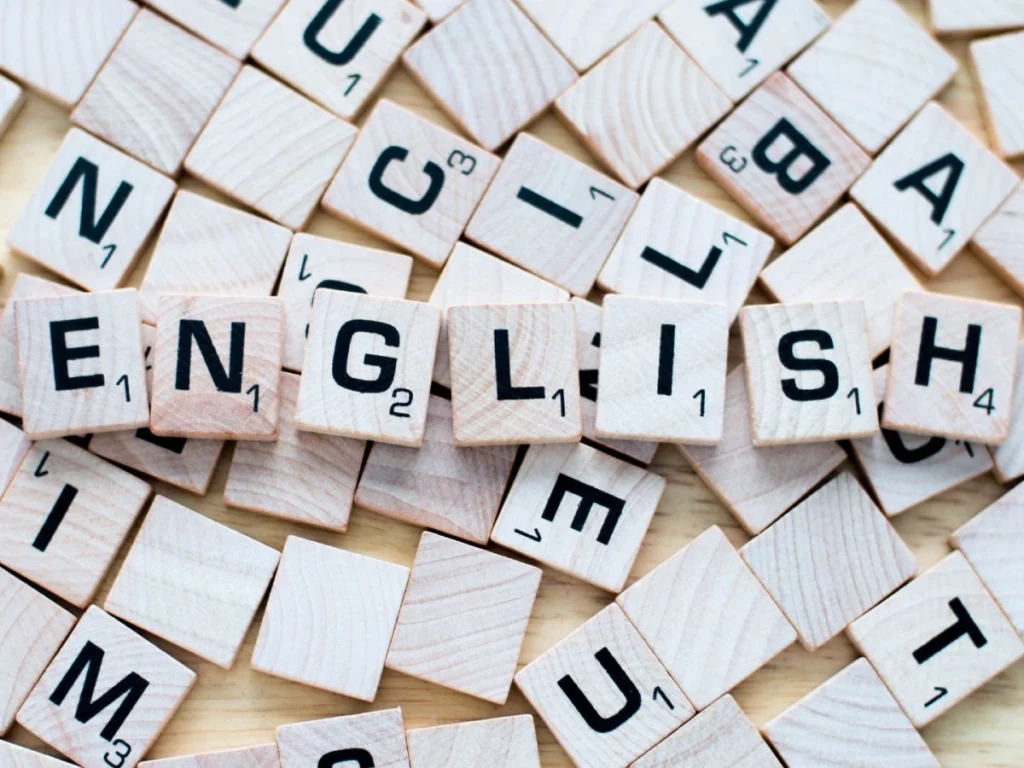
The English test requires you to demonstrate that you can read, write, and understand basic English words in everyday conversation. In short, you must prove you can communicate clearly and effectively in English.
Yes, it’s helpful to have good pronunciation, spelling, and grammar. But don’t worry if you make a few mistakes. The English test uses basic grammar and vocabulary, so you don’t have to be perfect.
Besides, the USCIS’ officers know that English isn’t your first language. They will understand if you make pronunciation, sentence structure, or spelling mistakes. And it’s okay if you don’t fully understand every word, phrase, or sentence.
During the naturalization test, don’t hesitate to ask for clarification if you’re not sure about a question. Officials are required to repeat certain words or rephrase questions at your request. So if you’re not sure about something, ask.
The English test consists of three parts: a speaking, a reading, and a writing test.
The speaking test:
To evaluate your speaking skills, the officer will ask you a series of questions, and you’ll have to answer them. These questions are specific to your citizenship application and eligibility.
You can expect questions such as why you want to become a US citizen. Citizen or about something you mentioned in your application.
The reading test:
To test your reading skills, the USCIS officer will give you a digital tablet on which three sentences in English will appear. The officer will ask you to read each one aloud as they occur.
To pass, you must read at least one of the three sentences without long pauses, without skipping words, and with minimal pronunciation errors.
As mentioned earlier, officers are generally flexible. They usually allow small mistakes, such as skipping short words or minor pronunciation or intonation errors.
The writing test:
The final part is the writing test. Here, the officer will dictate a sentence using standardized forms, and you must write it down completely. And we emphasize “completely” because you can’t leave out any words.
As with the reading test, you’ll have three chances to pass. You can also make minor mistakes, such as capitalization or punctuation.
Preparing for the English test is less about theory and more about practice. In other words, don’t try to master the language by learning every word in the dictionary or perfecting English grammar. Focus on practice.
Many of the reading and writing questions on the English test are based on the same 100 civics questions and answers. So by practicing these, you’ll also be improving your language skills.
Spend some time each day reading in English, preferably about topics you enjoy. And ask a family member or friend who speaks English to dictate to you so you can practice writing.
Also, write in English whenever you can-whether it’s in a journal, an e-mail, or anything else. Then, check your spelling and grammar to make sure it’s correct.
Most importantly, speak English as much as you can. If you can do this with native speakers, that’s even better. But speaking with someone with a high level of English works, too.
Speaking is the key. No matter how many pronunciation videos you watch or how many times you repeat a word, nothing is as effective as conversing with someone.
The civics part of the US citizenship test
Now, let’s move on to the second and most intimidating part of the US citizenship test: the civics test.
In the Civics Test, the officer will evaluate your knowledge and understanding of US history and government. These questions are available on the USCIS website; you should study them all. However, if you’re 65 or older, you only need to study the 20 questions marked with an asterisk (*).
More than half of the questions are about the US government, and the rest are about US history. Some questions are general and can be found in the study materials, such as
- Who is the Commander in Chief of the military?
The correct answer is The President.
There are also more specific questions where the answer depends on where you live, such as:
- Who is the current governor of your state?
How many questions are on the civics test?
For now, the US citizenship test follows the 2008 version, which is based on a list of 100 questions. On the day of your interview, an officer will randomly select ten of these questions for you. You need to answer at least six correctly to pass.
However, this version will expire soon. A new version of the civics test will take effect in late October 2025. It will be the same format first introduced in 2020.
The 2025 Naturalization Civics Test is an oral exam consisting of 20 questions chosen from a pool of 128. To pass, you must correctly answer at least 12 questions. If you miss nine or more questions, you will fail the test.
The new version officially goes into effect on October 20, 2025. This means that anyone with an interview on or after this date must take the updated test. Those with interviews scheduled before October 20, 2025, will still take the 2008 version.
How can you practice for the citizenship test?
With Citizen Now App, you can prepare for state-specific questions. Just enter your zip code, and the app will include the most up-to-date, location-specific questions in your practice exams. Download our American citizenship app and start practicing today!
The civics test is oral and conducted entirely in English, unless you qualify for one of the USCIS exemptions to take it in your native language.
Although preparing for this part of the US citizenship test is more theoretical, practice is still essential to passing.
The best way to prepare is to take practice tests using the questions from the USCIS list. Also, set a time limit for each practice test so you can get used to the time constraints of the US citizenship test.
FAQs
What happens if I fail the naturalization test?
If you don’t pass the first time, don’t worry, you have a second chance. USCIS will schedule your retest, usually within 60 to 90 days of your first appointment.
You can retake the entire exam or just the part you didn’t pass during this retest. Of course, the questions will be different from your first try.
Can I take the citizenship test in Spanish?
The citizenship test is generally in English, but some exceptions allow you to take the naturalization test in Spanish or your native language.
What topics are covered on the citizenship test?
The citizenship test includes questions about the principles and ideals of the US Constitution. It also covers US history, geography, and current events in government and society.
Summing up…
That’s all you need to know about the US Citizenship test. As you know, the test is divided into two parts: one to assess your English proficiency and the other to test your knowledge of US history and government.
And if you don’t pass the first time, you get a second chance. But with Citizen Now you won’t need a second test because you’ll be more than prepared to pass on the first try.
So, download Citizen Now today and start studying smarter!