

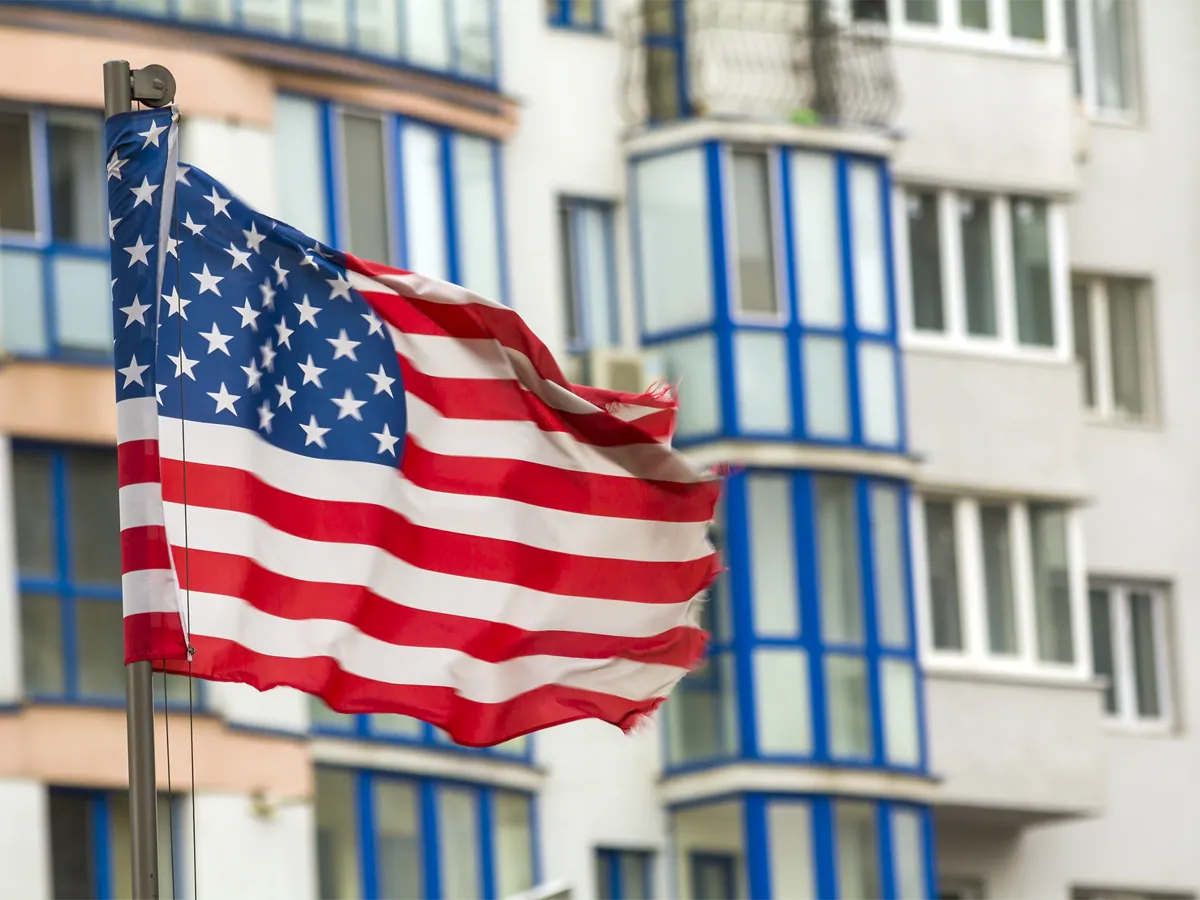
The main difference between an embassy and a consulate is their scope and location. An embassy is a country’s primary diplomatic mission, located in the capital city, handling high-level government-to-government relations.
A consulate is a smaller, regional office located in major tourist or business hubs that focuses on providing direct services like visas, passports, and emergency aid to citizens.
Most countries have one embassy and several consulates, allowing people to access services without traveling to the capital.
What is a U.S. embassy?
An embassy is the main official representation of the United States in another country. It serves as the headquarters for American diplomats and government representatives working abroad.
Location:
U.S. embassies are almost always located in the capital city of the host country. For example:
- The U.S. Embassy in Mexico is located in Mexico City.
- The U.S. Embassy in Canada is located in Ottawa.
- The U.S. Embassy in Spain is located in Madrid.
Leadership:
A U.S. embassy is led by an ambassador.
The ambassador is the official representative of the U.S. government and works directly with the host country’s government.
What does a U.S. embassy do?
The primary function of a U.S. embassy is to represent the U.S. government and oversee diplomatic relations with the host country.
Embassies handle high-level matters related to foreign policy, national interests, and government cooperation.
They are involved in:
- Political negotiations between governments
- International agreements and treaties
- Security and defense cooperation
- Trade and economic relations between countries
- Official visits by presidents and government leaders
These activities usually involve government cooperation rather than public services.
However, most embassies also have consular sections that provide services to U.S. citizens and foreign nationals.
Consular sections help with:
- Assistance to U.S. citizens abroad
- Passport Application
- Visa processing
- Emergency situations
What is a U.S. consulate?
A U.S. consulate is a smaller office that operates under the authority of a U.S. embassy. It is a regional office that provides services to citizens and travelers.
Consulates perform many of the same official functions as embassies, but at a more local and practical level. While embassies focus on diplomatic relations between governments, consulates focus on providing everyday administrative services.
Most people who need services from the U.S. government abroad interact with consulates rather than embassies.
Location:
U.S. consulates are usually located in major cities that are not the capital. These cities are often important centers for tourism, trade, or population.
In Mexico, for example, there are U.S. consulates in cities such as:
- Tijuana
- Guadalajara
- Ciudad Juárez
These offices make it easier for people to access services without traveling to the capital.
Leadership:
A U.S. consulate is led by a consul.
The consul manages the consulate’s operations and reports to the U.S. ambassador.
Main functions of U.S. consulates
U.S. consulates primarily provide services to citizens and foreign nationals.
- They assist U.S. citizens living or traveling abroad and provide administrative services as needed. These services include passport issuance, visa processing, and legal assistance.
- They support business activities by providing information about investment opportunities and helping trade delegations and companies.
- Consulates organize cultural events, exhibitions, and educational programs that promote American culture and strengthen local ties between countries.
What are the differences between an embassy and a consulate?
Both embassies and consulates serve to represent their respective countries abroad. However, there are also differences between the two. These differences relate to their location, scope, functions, and leadership.
The following table shows the main differences between embassies and consulates.
Embassy vs Consulate
| Feature | Embassy (Headquarters) | Consulate (Regional Branch) |
| Location | Generally in the capital city | Other major cities |
| Chief Official | Ambassador: Representative of the President; highest diplomatic rank | Consul: Operations manager; lower administrative rank |
| Primary Function | Managing national political and diplomatic relations | Direct help: passports, emergencies, and visas |
| Scope | Strategic and Governmental | Operational within its district or consular jurisdiction |
| Quantity | Only one per country | Multiple, depending on the need |
What services do U.S. embassies and consulates provide?
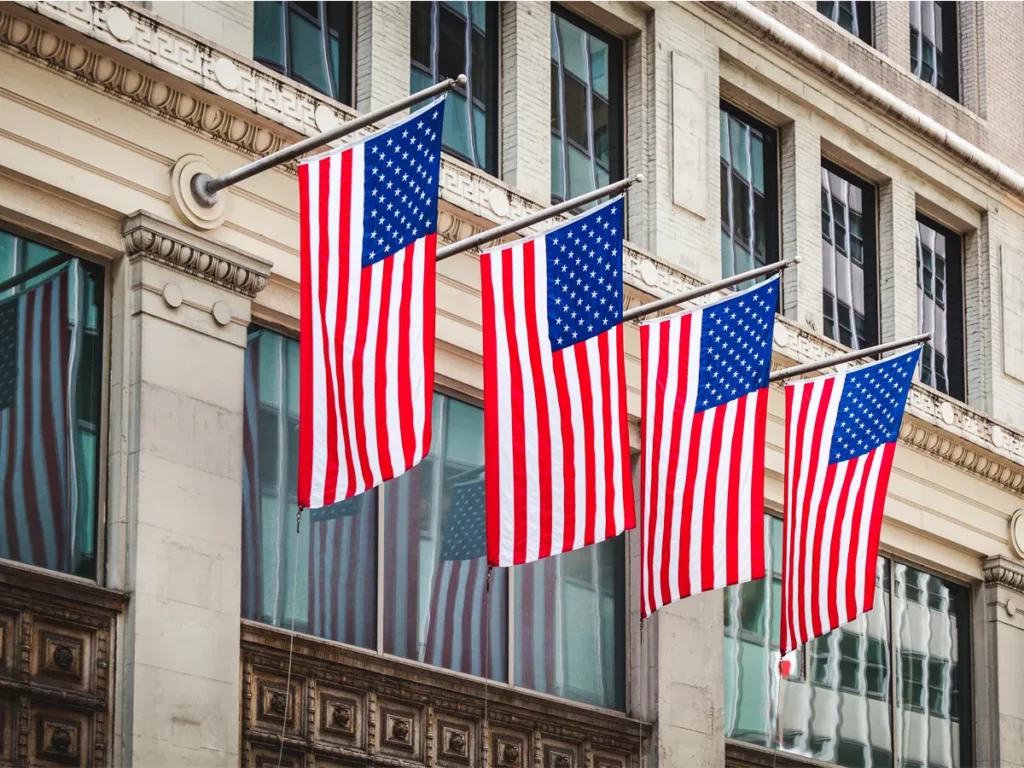
U.S. embassies and consulates share many responsibilities through American Citizen Services (ACS) and visa processing.
These services help both U.S. citizens living or traveling abroad and foreign nationals who want to visit or immigrate to the United States.
Most routine services are provided by consulates or consular sections inside embassies.
Services for U.S. citizens abroad
- Processing, renewing, and replacing passport books and cards for Americans abroad.
- Issuing the Consular Report of Birth Abroad to certify U.S. citizenship for children born overseas.
- Notarizing legal documents, affidavits, and powers of attorney for use in the United States.
- Providing help with Social Security Administration and Department of Veterans Affairs benefits.
- Helping citizens vote in federal elections from abroad through the Federal Voting Assistance Program.
- Facilitating Selective Service registration for eligible citizens living overseas.
- Providing information on IRS tax filing from abroad.
Emergency and special services
- Visiting incarcerated citizens to check on their well-being and providing lists of local lawyers.
- Handling the CRDA (Consular Report of Death Abroad) and assisting with the return of remains.
- Conducting “Welfare and Whereabouts” searches for missing citizens or those in high-risk situations.
- Coordinating evacuations and crisis management during natural disasters, civil unrest, or war.
- Providing emergency financial loans to destitute Americans to facilitate their return to the U.S.
- Assisting in cases of international parental child abduction and custody disputes.
Visa services at U.S. embassies and consulates
- Handling Non-Immigrant Visas for temporary travel, including tourism, business, and study.
- Processing Work Visas for temporary specialized employment and exchange programs.
- Managing Immigrant Visas and family reunification
- Overseeing K-1 (Fiancé/Fiancée) Visas for those planning to marry a U.S. citizen.
- Administering the DV (Diversity Visa) program, also known as the Green Card Lottery.
Do all countries have a U.S. embassy or consulate?
No, not every country has a U.S. embassy or consulate.
The United States has one of the largest diplomatic networks in the world. However, there are significant exceptions based on a lack of diplomatic relations, security concerns, or political instability.
For example: North Korea, Iran, Bhutan, Syria, Libya, Belarus, and Sudan.
Some smaller countries do not have a physical U.S. embassy, even though diplomatic relations exist. This is the case with Dominica and Saint Vincent.
What happens if there is no U.S. embassy in a country?
The State Department designates a post in another country to handle your case.
- In Iran, urgent matters are handled through the Swiss Embassy in Tehran.
- Bhutan is assisted by the U.S. Embassy in New Delhi, India.
- Dominica, Saint Vincent and the Grenadines, and Saint Lucia are served by the U.S. Embassy in Bridgetown, Barbados.
- Guinea-Bissau is served by the U.S. Embassy in Dakar, Senegal.
FAQs:
Are consulates and embassies the same?
No, although both represent the United States, they have different roles. An embassy is the primary diplomatic mission that handles high-level government relations. Consulates are smaller regional offices that provide direct services and assistance to the public.
Which is better, an embassy or a consulate?
Neither is better than the other. Both offices follow the same federal regulations and provide the same quality of service. The best office to visit is the one with jurisdiction over your location or the one closest to you for your specific paperwork.
When should you contact an embassy?
Contact them for passport renewals, notary services, or emergencies such as an arrest, death abroad, or if you are a victim of a crime.
How should I write a message to the embassy?
Be brief and professional. Use a clear subject line that describes your issue, such as “Emergency Assistance” or “Visa Question.” Include your full name, date of birth, and passport number. The most secure way to reach the embassy is through the official contact forms at www.usembassy.gov.
What are consulate services?
Consular services are the official assistance that governments provide to people abroad. This includes passport and visa services for foreign nationals who wish to travel, study, or work in the United States.
How can I locate my nearest embassy or consulate?
To find the nearest embassy or consulate, use the official U.S. government search tool. It will identify the correct office for your location to handle visas, passports, or emergency services.
Official Website: www.usembassy.gov